Do probiotics shape respiratory immunity?
This magazine provides health information about ingredients, not about the efficacy or effects of any specific product.
Since the emergence of novel respiratory viruses, interest in respiratory immunity has grown. As autumn brings the change of seasons and more patients with respiratory viruses, that interest is growing even further. The respiratory tract is the first organ exposed to viruses and bacteria floating in the air, so respiratory immunity matters a great deal. Did you know that gut health and respiratory immune function are closely linked?
As interest in the gut microbiome (gut flora) and respiratory immunity has grown, the "gut-lung axis" theory has also drawn attention. In this article, we look at the gut-lung axis theory and at ways to care for gut health that also help respiratory immunity.

Microbes live in the lungs, too?
It is well known that microbes live in our gut. But microbes also live in our respiratory tract, especially in the lungs. These microbes play a very important role in the "immune response" to harmful agents that enter the lungs, mainly through the air. That is why the lungs need care so that their microbes are made up of microbes that benefit health.
The gut-lung axis theory explains that the gut microbial community (the microbiome) has a considerable influence on the microbial community in the lungs.
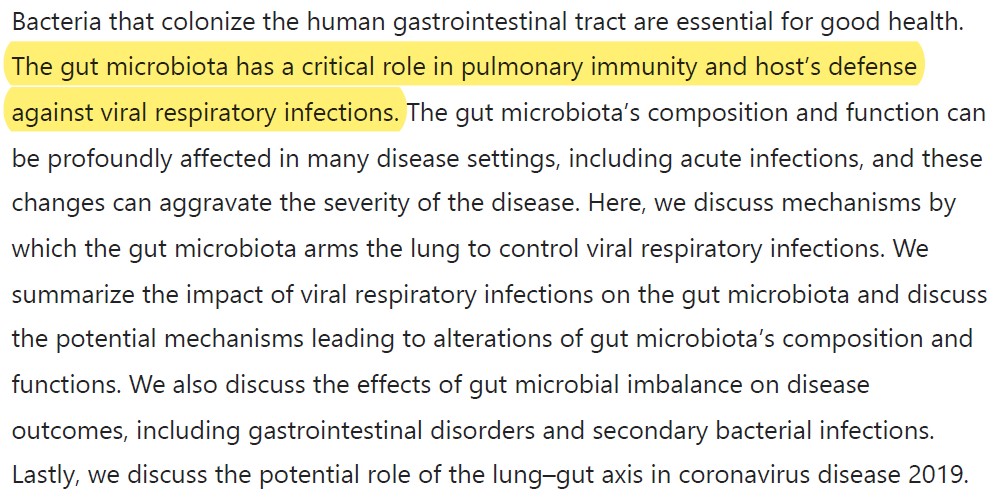
Reference: Valentin Sencio, Marina Gomes Machado, François Trottein < The lung-gut axis during viral respiratory infections: the impact of gut dysbiosis on secondary disease outcomes>
According to the paper, changes in the composition of gut microbes affect the regulation of lung immune function, which can lead to the improvement or worsening of asthma or viral respiratory diseases. Put simply, the respiratory tract stays healthy when the gut is healthy, and problems in the gut can also cause problems with respiratory immunity.
Recent studies have reported that more than 70% of immune cells reside in the gut, putting even more emphasis on gut health. Since the gut is also closely linked to lung health, here are a few ways to care for your gut to build respiratory immunity.
1. Take probiotics with lung health in mind
An unhealthy gut is a sign that gut microbes are out of balance or lacking. Ongoing stress and irregular eating habits in modern life can easily upset the balance between beneficial and harmful gut bacteria. The best way to directly change the ratio of gut microbes is to take probiotics. If there are too many probiotics to choose from, it is also a good idea to choose beneficial bacteria verified through long-term research, development, and clinical trials.
AB21, a multi-strain probiotic developed by the Spanish probiotics company AB-biotics, is one of them. In a clinical trial of 300 people infected with respiratory illness, the group that took AB21 was reportedly found to have a shorter duration of respiratory symptoms caused by viral infection than the group that did not, with abnormal lung function decreasing faster and the recovery period shortened. It is also said to help lower the risk of viral transmission and to activate the immune response by increasing antibodies.
2. Eat dietary fiber to help beneficial bacteria grow
Dietary fiber plays an important role in keeping the gut clean. Fiber, abundant in vegetables and fruit, feeds beneficial gut bacteria and helps them multiply. A review paper published in 2019 in the Journal of Thoracic Disease suggests that dietary fiber intake also contributes to stronger lung immune function.
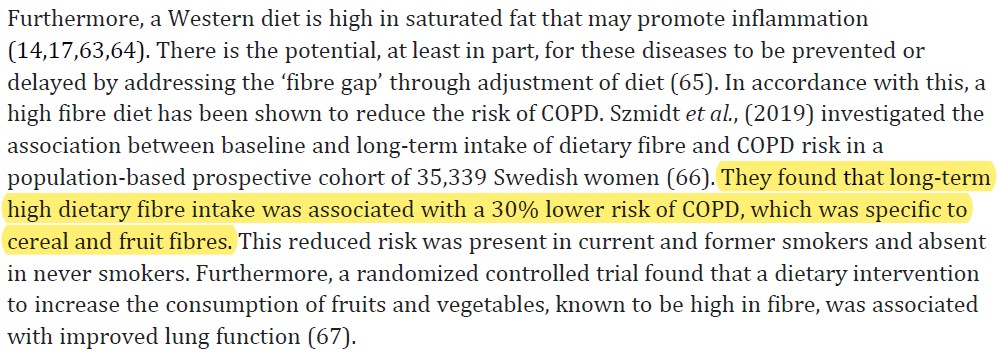
Reference: Vaughan A, Frazer ZA, Hansbro PM, Yang IA. Review: J Thorac Dis <COPD and the gut-lung axis: the therapeutic potential of fibre>
According to the clinical trial results presented in this paper, the group with long-term dietary fiber intake, mainly from grains and fruit, showed about a 30% lower risk of chronic obstructive pulmonary disease (COPD).
3. Eating habits that help activate gut function
It is good to make a habit of chewing food thoroughly and eating slowly. The more thoroughly you chew and the more slowly you eat, the more saliva you secrete. The enzyme amylase in saliva helps break down and absorb food, activating gut function.
Eating less is also better for gut health than overeating, since large meals can burden the gut. According to a paper published in 2022 in BioMed Central (see below), changes in gut microbial composition through calorie restriction can improve metabolic function and also affect the immune system.
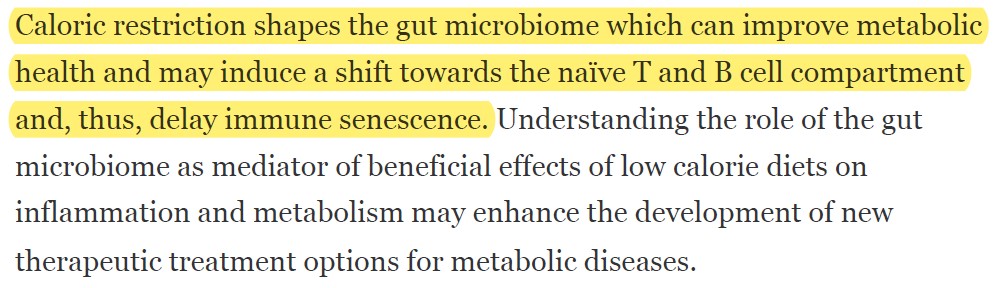
Reference: Julia Sbierski-Kind, Sophia Grenkowitz, Stephan Schlickeiser, Arvid Sandforth, Marie Friedrich, Désirée Kunkel, Rainer Glauben, Sebastian Brachs, Knut Mai, Andrea Thürmer, Aleksandar Radonić, Oliver Drechsel, Peter J. Turnbaugh, Jordan E. Bisanz, Hans-Dieter Volk, Joachim Spranger & Reiner Jumpertz von Schwartzenberg < Effects of caloric restriction on the gut microbiome are linked with immune senescence>
Steady intake of probiotics and dietary fiber, along with healthy eating habits, builds a healthy gut. A healthy gut also has a positive influence on lung immune function. Look after your respiratory health by keeping your gut healthy.
This magazine provides health information about ingredients, not about the efficacy or effects of any specific product.